-
Title
-
Oral History Interview with Maddie Proaño
-
Interviewee
-
Proaño,Maddie
-
Interviewer
-
Johnston, Reece
-
Date
-
2025
-
Summary of Interview
-
In this Somos NC interview with Maddie Proaño we discuss what life is like for a hispanic immigrant in the US.
-
Subject
-
Bilingualism
-
Childhood
-
Culture
-
Family
-
Identity
-
Immigration
-
Spatial Coverage
-
Quito(Ecuador)
-
Language
-
English
-
Spanish
-
Contributor
-
Boomershine, Amanda
-
Source
-
SPN 490-Service learning and research
-
extracted text
-
Title: Oral interview with Maddie Proaño
Interviewee: Maddie Proa o
Interviewer: Reece Johnston
Date of Interview: 10/14/2025
Series: Somos NC
Length: 20 minutes and 10 seconds
Spanish Summary of Interview:
En esta entrevista de Somos NC con Maddie Proaño discutimos cómo es la vida de un
inmigrante hispano en los Estados Unidos. La entrevista discute temas de transiciones,
tradiciones y la dificultad de adoptar la vida en los EE.UU., proveniente de un país de habla
hispana.
English Summary of Interview:
In this Somos NC interview with Maddie Proaño we discuss what life is like for a hispanic
immigrant in the US. The interview discusses themes of transitions, traditions, and the difficulty
adopting to life in the US, coming from a Spanish speaking country.
Start Transcript
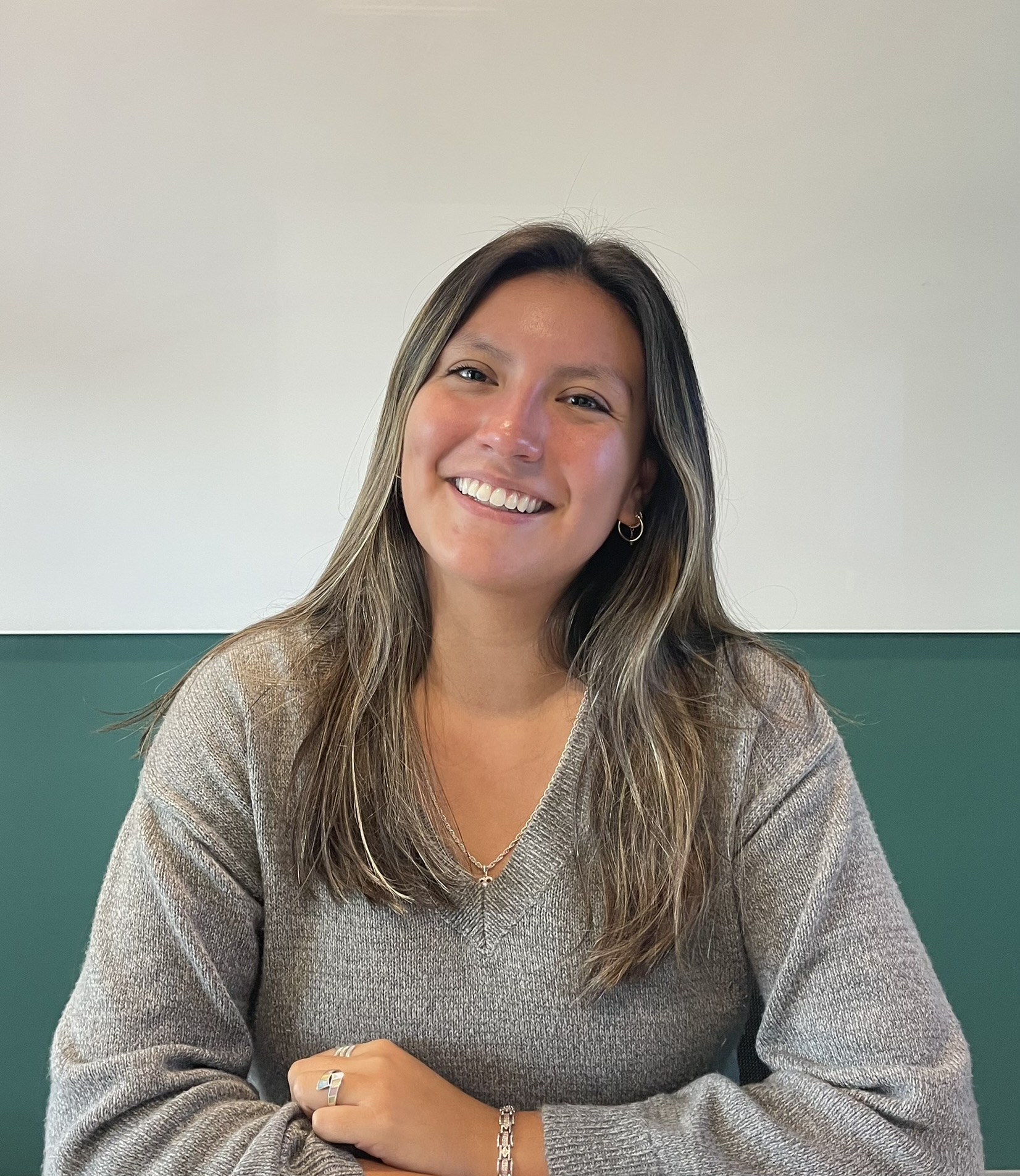
Reece: My name is Reece. I'm in Spanish 490 Service Learning and Research with Doctor
Boomershine. And today I'm going to be interviewing Maddie Proa o. Would you like to say
hello in Spanish? No. English.
Maddie: Hey, my name is Maddie, and I'm here with Reece.
Reece: Yes. So where are you from originally?
Maddie: My family is originally from Quito, Ecuador.
Reece: Awesome. And then. So how long has your family been in the US? When did they first
move here?
ñ
ñ
Maddie: My family first moved here. I want to say, like, early 2000. Like 2001, 2002. Yeah.
�Reece: And what brought them to the United States?
Maddie: My grandparents. I think from what I've heard growing up, I think my parents really
wanted to, like, get out, try something new and when everything. My grandparents left first and
little by little, like my dad and his siblings, it’s- there's four siblings. My dad is the oldest. Well,
he's the second oldest. There's four of them. So he went over first with him and left my mom and
my little brother. Well, with my older brother in Ecuador to see if it's a good lifestyle and
everything. So he was gone and left my parents left my mom and my little. I keep saying little
because he was a baby. Yeah, he was a baby. When my older brother and then. Yeah, until my
mom got kind of, like, alone. And obviously my brother was missing my dad a lot, too. So my
mom decided to pack up everything to be with my dad. Not that like my dad left my mom, but it
was just more like they had to do this together type thing. And. Yeah, so my mom left her job.
Her, like, she had a really good job back in Ecuador. And she left all her life in Ecuador and
moved to the United States. And then little by little, my whole entire family started going.
Moving. And my grandma and my grandpa they just they loved I mean, they loved in the United
States, but they really missed Ecuador. So they moved back to the United States. And ever since
then, like we've stayed here. But there is no, like, reason economically. I think they just wanted.
Reece: A specific.
Maddie: Change of scenery and Yeah.
Reece: What did your mom do in Ecuador? What was her job?
Maddie: My mom was a business administrator for one of the I want to say Marlborough the
cigarette company. Over there I want to say that but yeah, she had a really good job for sure.
Reece: Did she have trouble when she moved to the US?
Maddie: Yeah. So another. So my mom, she always talks about this since she had a really good
job. And it's very hard to find a good job in Ecuador. It was very hard for her to, like, move here
in Ecuador. Move here to the United States because she really had to start from zero. Right. And
she never grew up that way. So that was really hard for her. Like, she had to, like, work in the
kitchen. She had to be a cashier and, like, work all these, like, work, all these jobs that she never
really thought that she would ever work in. Right. But obviously, like, she had to do it to move
our family forward and make that income at this time, like, I wasn't born, but. Yeah. So my, my
mom, it was really hard for my mom, especially, like, moving from, like, a really good corporate
job to, like, starting from zero.
Reece: Right. So that's what we've talked about a little bit in this class is there are so many, like
Central Americans, South Americans who moved to the United States and are like surgeons or
like doctors or pediatrician or like an engineer, and they move here and they can't find a job.
They have to work as like a one of the women we talked about is a surgeon and from Venezuela,
�and she moved here and she's just hoping for a job as a janitor because that would be consistent.
And then she can study to retake her medical exam.
Maddie: I have a lot of we have a lot of family friends that are like that, like we have friends that
are doctors and like back in Ecuador and like they move here and it's just like they have the it's
not the same, even though they do have an education. And they did graduate with their master's
with their doctor, they did like the whole the whole thing, like what we would do here. But they
can't get the same education like they do the same job as they were. Right? Yeah.
Reece: Yeah. Interesting. Okay. Do you visit Ecuador often?
Maddie: I do, I do. I visited last time I visited was in 2020.
Reece: Okay.
Maddie: Yeah. That was my first time in my last time that I visited. But everything that's going
on over there, economic. Well, not economically, but just.
Reece: Politically, socially.
Maddie: Politically, socially. It's kind of hard to go there. Yeah. And my parents, just like, it's
very, like scary, like.
Reece: Nerve wracking.
Maddie: Nerve wracking. Yeah. It's very nervous over there. My parents go there all the time.
Okay. Since my grandparents lived there specifically my mom's mom, who's, like, really old, but
my grandpa, who, like, moved here in the United States my grandmother passed away, like like,
15 years ago. So my grandpa, like, always visits us every year, so it's not like I have to go over
there. But I always have family visiting, so.
Reece: Awesome. Well, what is your favorite part about having when your grandpa comes? Does
he bring any, like, traditions with him that you enjoy?
Maddie: Not really traditions, I feel like. So my family definitely feel definitely built like a
foundation traditionally when they all were here, like with my grandma and my grandpa. So. And
since then, like my grandma who passed away, was very, like, traditional. Well, not traditional,
but very like big into traditions and like culture and stuff like that. And like when she passed
away, like, we definitely like and like till this day, we definitely, like, remind ourselves, like what
she left and what her legacy was. And her legacy is definitely like family and like unity as a
family. Which is awesome. I've always I've been very like, grateful and very like thankful about
that and having that and growing up with that, because I grew up with my uncle and my aunt and
my cousins, my cousins are like my siblings because we grew up like that.
�Reece: It's interesting the difference in the US, it's a lot more like families aren’t
multigenerational. But I feel like like being when I was in Spain and even in Portugal, it's like
they're very multigenerational families. A lot of it revolves around family, cousins and your.
Maddie: I found that really interesting, too, when I was growing up. Because I feel like a lot of
people, specifically Americans, are not really close with their cousins. Right. And I kind of find
that kind of when I was growing up, I was like, whoa, that's very shocking. Like, I grew up with
my cousins, you know? And we all. Yeah. But honestly, like, that's what my grandma's legacy
was. And I think that that's like, and we do a lot of traditions too. We still celebrate a lot of stuff,
even though we don't live in Ecuador. We do celebrate a lot of, like Holidays over there.
Reece: Right.
Maddie: But. Yeah, but like a treat of, like, whenever my grandparents come is that they always
bring us, like, treats from Ecuador and we know we like we they know what our favorite treats
are. And it's like that was like always exciting things when they came was like their gifts that
they gave us.
Reece: That's so fun. I love that. So how do you stay connected to your culture and traditions
growing up in the US? Like, how do how have you? I know you said your grandma was like a
big factor in that, but do you find that it's also something that's like internal?
Maddie: It's definitely internal and it's definitely like family wise, like I was very lucky enough
to. So a lot of my family that live here, it's definitely more of my dad's side of the family. My
dad's, my dad's side of the family, like how he grew up. He grew up very like family oriented,
very like very like United. Because that's how my grandma was raised and my grandpa to my
mom, my mom's side of the family she went through I mean, she had, like, a really hard
childhood. My grandparents are divorced. When she was really little and, like, her side of the
family, it's kind of like they're kind of everywhere. Yeah, they're kind of everywhere. Yeah. So I
definitely grew up more with my with my mom's with my dad's side. Okay. So I saw more of,
like, how my dad grew up and stuff like that. My mom, like, later on, like, we she has family.
Like, once.
Reece: You're old enough to understand.
Maddie: Yeah. She has family in Italy. Her half brother lives in Orlando, and the rest, like, lives
in Ecuador. But they come visit. But it's just, like, not the same because you only see them, like,
two weeks and all this other stuff. But I definitely did grow up with my uncle that lives in
Orlando, even though, I mean, he's my mom's stepbrother, but we grew up with him, like going
to like, Orlando every year. But anyways my dad's side a lot of his cousins live in in North
Carolina, and I grew up with. Their kids. Okay, so my second, second, second generation
cousins, I grew up with them too. And they're also like, we grew up like siblings too. And I find
�them I don't really consider them as my second generation cousins. I really do consider them as
my cousins. Right. So in that side of the cousins is my grandma's brother's family.
Reece: Okay.
Maddie: And we've just always been so close, and I've seen, actually, I've seen a lot of them,
like, come over, like, growing up. I've seen them, like, come move here from Ecuador, right?
And a lot of that, like, they bring a lot of traditions too. And a lot of recipes too, like, we
definitely have, like. Yeah, like we know that. Which sisters or which cousin knows like my like
which cousin, which which of my dad's cousin knows how to cook better than the other?
Reece: Yeah.
Maddie: But like all four of them, they cook. Amazing. But, like, it's it's awesome. And we have
we have that for sure.
Reece: Yeah. That's awesome. And did you. So you grew up, did you grow up speaking Spanish
in your house?
Maddie: Yeah, I spoke both.
Reece: Okay.
Maddie: I spoke both. I'm not gonna lie.
Reece: Okay. That's perfectly fine. Yeah. But. So when you go home now, do you do you think
you speak more Spanish than English or. Growing up, did you speak more
Maddie: I think it's definitely like the age and going to school and speaking English, like, I feel
like more like going to school. You speak more English, and then when you come to when you
come home, like. Like when I, when I was little, like coming home from school, I definitely
spoke a little bit more English and I lost a little bit of my Spanish. But what really kept me going
with my Spanish is that I always had family from Ecuador coming in, and my grandparents
always came in for the summer and my grandma and my grandpa like they knew. I mean, I don't
really want to say that they knew English like they understood it, But it's like you'd rather want
to speak in Spanish than in English. Yes.
Reece: It's like, you know, more of their Spanish than they would know English.
Maddie: And also like growing up with that and having family with that and like, growing up
little by little, like, you just kind of understand how important it is and how proud you should be
where you come from. Like you should. I personally just think that, like, everyone should or like
Latinos in general should learn like should never lose their touch of Latinos or like their Hispanic
�side. So but as I got older, I definitely started, like, pushing myself to speak Spanish and getting
better. And. Yeah, but like, when I go home now, like, now here in college, I speak more English,
and I don't really speak anybody in Spanish here unless, like, my parents call me and like I really
do. And like, sometimes I do realize that I talk to my parents in English, but like, I like, really do
like try to switch it up and be like, wait, no. But I've told my mom multiple times, my mom and
my my mom knows English like really well. My dad like he knows English, but I mean, he's
more comfortable speaking Spanish. But like when I speak to my mom and I like we realized I
realized that I'm speaking to her in English. I'm like, this is weird. I don't like.
Reece: This.
Maddie: Like, also like, I already speak English enough that I'd rather speak in Spanish. So like
now when we call, we speak in Spanish. And my dad, I speak to him in Spanish too, so it's just
like, I think it's just like the growing up, right?
Reece: The progression.
Maddie: How important it is. And you just don't want to lose that, right?
Reece: Why do you think it's so important for Hispanics and Latinos to really, like, try and keep
that part of themselves?
Maddie: That's a good question. It's really deep. Wait. Pause it really quickly. All right. I think
it's important that we keep that just because it's just an identity of ours. Like, for me, it's like
there was a moment when I was growing up that I kind of lost my Spanish, and. And it was just
because, like, I was, like, growing up, you just think whatever. But then later on, like, growing
up, you're like, no, like you're not. I'm not white. Right. Also like I'm like Latina. You know what
I mean? Like I should be proud of being Latina and I should be proud of where I come from and
where my family's from because I'm, I wasn't raised in an American household. I was raised in
an Ecuadorian American household
Reece: Right.
Maddie: So I think a lot of that is pride, for sure. And being proud of where you are. And like,
Latinos, definitely see something about us being proud of where we're from.
Reece: Yeah. And do you think that's something that has become kind of difficult for Latinos or
Hispanic people living in the US because of.
Maddie: I think so, yeah. Like a lot of people, definitely. I mean, there's some times that I'm, I'm
a little scared of like bringing out my Latina side, I guess. But then at the end of the day, I have
to remember, like, that's just like the way, like who I am. Like, I should never be. I should never
be afraid of, like, showing who I am.
�Reece: Right. What do you what would you want to say to someone who has this, like, idea of
Hispanic people or Latinos living in the US? Like one of the negative perspectives of it? You
know, like we were talking about before.
Maddie: Like the weight that that's a good question. I. Honestly, we're not there to steal other
people's jobs. Yeah, I think we're I think people are just needs to understand that. Like seeing
when I like when my cousins from Ecuador come and visit and stuff like that and seeing them
like, oh my gosh, this is America or not, just me and my cousins, just like other people from the
like from all, all over the world, like come to the United States and like they think of, like the
American dream, like I studied abroad and I like, remember like talking to a lot of my friends
who are like from different parts of the country, like different parts of the world. And they've
always, like mentioned, the American dream, right? And I feel that, like now and I see it. I feel
like a lot of that, like we're losing the what the American dream is and people are forgetting.
Forgetting what? Like what it means?
Reece: Yes. And that's not only for one group of people.
Maddie: Yeah. And it's like, well, yeah. Yeah, it's not for one group of people. And people need
to understand that. Like. The reason why people are coming over here is because they need to
have better lives, right? Like and like it's sad to hear that in their own country, they're not one
treated very well. Two, they're not like gaining like they're they're fighting for their, their families
at the end of the day, trying to make sure that they have a better life. A lot of my, a lot of my
things that my parents said about, like, talks about and that I've always heard them growing like
growing up, like hearing them is just like, I wouldn't have had the same education if we still
lived in Ecuador. I wouldn't have gotten to this like this sort of college, like college is so different
in the in here in the United States than in Ecuador. So it's just like my I guess my advice is like,
they're not here.
Reece: To take anything.
Maddie: To take anything. They're there just to protect their families and to bring, like, to move
their family forward because they probably just don't have a really good life?
Reece: Yeah, that's a great answer. That was really great. Okay. Last question I'll ask is what
aspects of your culture of Ecuadorian culture do you think that Americans could learn from?
Like what is an aspect that maybe either your grandparents showed you or like growing up with
your cousins, you learned that you think Americans could really benefit from.
Maddie: I thought it was okay. I think it's like it's really hard, I would say to say that because if I
did say, like, food and unity and family and all this other stuff, like, I feel like Americans do have
that, but I feel like. We take it. Not just Ecuadorians. I'm just gonna say that just, like, in general.
Like, I feel like we just take it up a notch of like the type of love that we have for each other. Or
�we have a bunch of love languages as Latino people like food wise and like being care, like, you
know, acts of service and making sure that everyone's okay. I guess, like, my advice is just like
taking that extra step, like, like being like, yeah, if it takes a little bit of work, like or like a little
bit more of your time, like, just do it. Yeah. You know, I would say that but I wouldn't say that,
like, I don't want to say, like, Americans don't have family or unity because, like, they do, but
they have it in a different way than how we would have it. Yeah. You know what I mean? Yeah.
Reece: Yeah, I think that's a beautiful answer. Well, thank you so much. It was great to interview
you.
Maddie: Okay. Thank you for having me.